






Best Roasting Pan for Thanksgiving & Beyond (2026): What Actually Matters
The best roasting pan comes down to four things: a heavy material that browns evenly and builds real fond, relatively low sides so hot air can reach the meat, a size matched to what you actually roast, and a stovetop-safe base so you can deglaze the drippings into gravy in the same pan. Heavy stainless with a rack is the traditional pick; enameled cast iron is the upgrade — better heat retention, deeper browning, and no seasoning to maintain. The one thing to avoid: the disposable aluminum pan.
Roasting pans get bought in a panic the week before Thanksgiving and then judged for years afterward. This guide covers what separates a pan you'll use every week from one that lives in the basement — and is honest about sizing, including when a bigger pan than ours is the right call.
Roast, brown, deglaze — one pan.
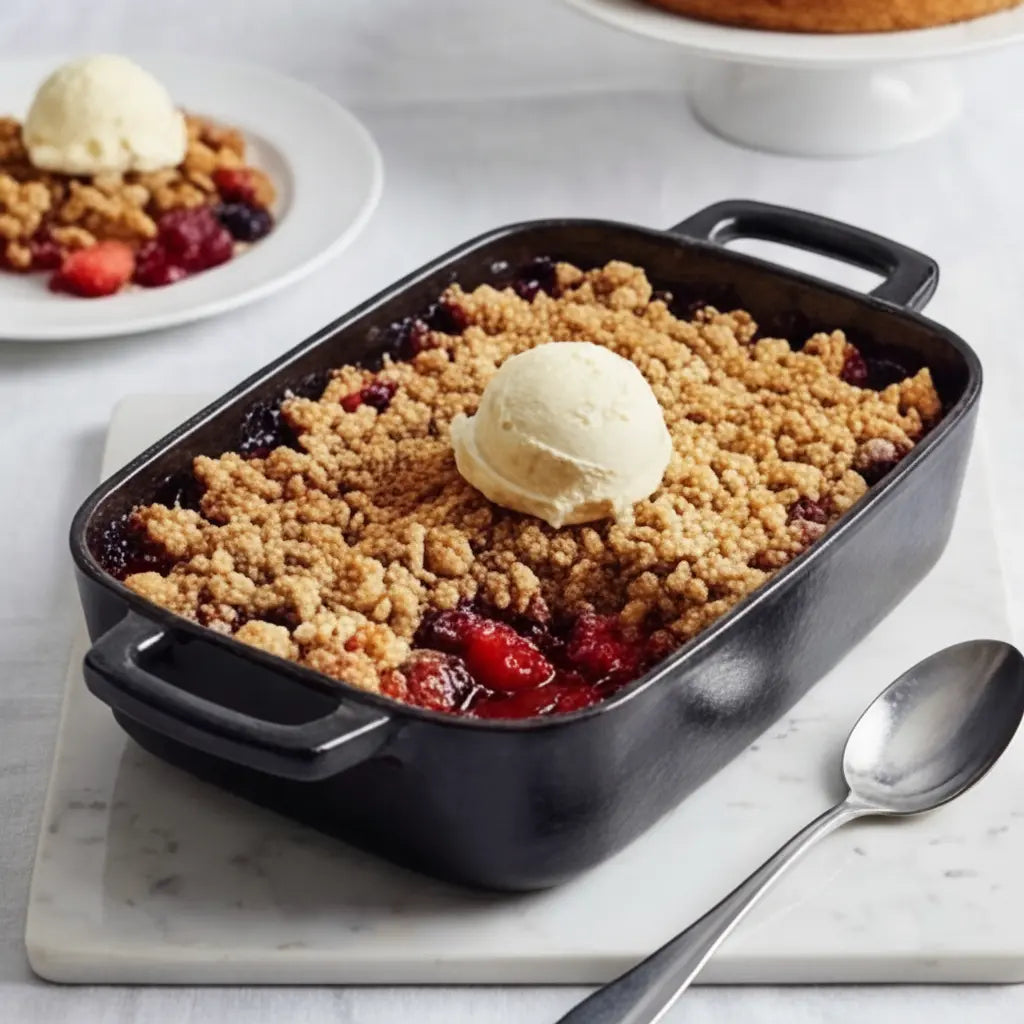
The Alva Nori 12x8" enameled cast iron roasting pan holds steady heat for even roasting, needs no seasoning, and moves straight from oven to table.
Independently tested. Alva publishes its third-party lab reports in full, with the lab, report number and date for each line. See the lab reports →
What to look for in a roasting pan
- Heavy, heat-retentive material. A thin pan cycles hot and cold with every oven fluctuation and scorches drippings in the hot spots. A heavy pan — thick stainless or cast iron — holds steady heat, browns the underside of the roast evenly, and turns drippings into deep brown fond instead of black carbon. That fond is your gravy.
- Low-ish sides. Tall walls shield the meat from circulating hot air, so the lower third of a bird steams instead of roasting. You want enough wall to hold the juices (2–3 inches) and no more.
- Size matched to the job. The right pan holds your roast with a couple of inches to spare. Too big and the exposed drippings burn; too small and the food crowds and steams. Most people are better served by a pan sized for a chicken than a pan sized for one turkey a year — more on that below.
- A stovetop-safe base. This is the sleeper feature. When the roast comes out to rest, the best gravy you will ever make is sitting in the bottom of the pan. A pan that can sit over a burner lets you deglaze right there — no scraping drippings into a saucepan, no flavor left behind.
Roasting pan materials, compared honestly
Heavy stainless steel with a rack: the classic
The traditional roasting pan is heavy-gauge stainless, usually with a V-rack. It's a good tool: durable, dishwasher-friendly, and the rack lifts a big bird off the floor of the pan so air circulates underneath. The trade-offs: stainless sheds heat quickly once the oven door opens, browning on the pan floor is lighter, and without the rack most stainless roasters do little else. If you host a big turkey every year, a large stainless roaster with a rack is a sensible thing to own — it's just not the pan you'll reach for the other 51 weeks.
Enameled cast iron: superior heat retention and browning
Cast iron is the heaviest common roasting material, and that mass is the point: it maintains steady, even heat for consistent roasting, and the retained heat keeps browning the underside of meat and vegetables even as the oven cycles. The enamel adds three practical wins. It requires no seasoning — the surface is ready to use from the first meal, unlike bare cast iron. It's non-reactive, so tomato, wine, and citrus pan sauces are no problem. And it's stovetop-safe over moderate heat, so the deglaze-for-gravy step happens in the same pan the roast came out of. The honest downsides: it's heavy (our 12x8" is 11.3 lbs), it's hand-wash, and enameled roasters don't come in giant-turkey sizes. It's the same logic that makes an enameled Dutch oven the most-used pot in the kitchen — see our best Dutch oven guide for the covered-pot version of this argument.
Disposable aluminum: an honest warning
Every November, thousands of turkeys go into flimsy disposable foil pans, and every November some of them end up on the oven floor. Disposable aluminum pans flex alarmingly under a 15-pound bird, conduct heat so thinly that drippings scorch into bitterness, and can't go near a burner for gravy. If one is genuinely your only option, put it on a sturdy sheet pan for support and add a splash of stock so the drippings don't burn. But as a plan, they fail exactly when the stakes are highest.
Sizing: the Thanksgiving turkey vs. the other 364 days
Here's the honest sizing talk most roasting pan guides skip. A big holiday turkey needs a big pan: a 20-pound bird wants a roaster in the range of 16x13 inches, and our 12x8" pan simply won't fit one — we'd rather tell you that now than have you discover it on Thanksgiving morning. If a giant whole turkey is your annual centerpiece, own a large stainless roaster with a rack for that day.
For everything else — which is most of what a roasting pan actually does — a 12x8" pan is the more useful size. The Nori 12x8" enameled cast iron roasting pan is built for family-size recipes: a whole chicken, a pork loin or beef roast, a turkey breast, trays of roasted vegetables, lasagna and casseroles, and the holiday sides that fight for oven space — stuffing, gratins, mac and cheese. It fits in the oven alongside other dishes instead of monopolizing the rack, and because the polished enamel is made for serving, it goes straight from oven to table and keeps food hot while it's there. For menu ideas it can carry, start with our holiday meals guide.
The gravy advantage: deglazing in enameled cast iron
This is where a stovetop-safe roasting pan pays for itself. When the roast comes out and goes off to rest, set the pan over a burner at moderate heat. Pour in a glass of wine or a cup of stock, and scrape the browned fond off the bottom with a wooden spoon as it bubbles — it releases in seconds. Because the enamel is non-reactive, wine and citrus won't pick up any metallic taste, and because cast iron holds its heat, the liquid comes back to a simmer quickly. Whisk in a little flour slurry or butter, season, and you have real pan gravy in five minutes, made from every browned bit the roast left behind. A stainless pan set over two burners can do a version of this; a disposable pan cannot do it at all.
Care: what living with one is like
Enameled cast iron asks little. There is no seasoning, ever — the enamel surface is the cooking surface. Hand wash with warm water, mild soap, and a soft sponge once the pan has cooled; avoid sudden temperature shocks (don't run cold water into a hot pan), skip abrasive cleaners, and dry it before storing. Use silicone, nylon, or wood utensils, keep stovetop heat moderate, and it will outlast every nonstick pan you've ever replaced. The Nori pan is oven-safe to 500°F and works on gas, electric, ceramic, halogen, and induction cooktops.
Frequently asked questions
Do I need a roasting rack?
For a large turkey in a stainless roaster, yes — the rack lifts the bird so air circulates and the bottom doesn't stew. In a lower-sided enameled cast iron pan you can skip the hardware: set the roast on a bed of thick-cut onions, carrots, and celery. The vegetables do the lifting, flavor the drippings, and become part of the gravy.
What size roasting pan do I need for a turkey?
Match the pan to the bird with about two inches of clearance: a 12–14 lb turkey fits roughly a 14x11" roaster, and an 18–20 lb bird wants around 16x13". A 12x8" pan will not fit a big whole turkey — it's the right size for a turkey breast, a whole chicken, roasts, and sides.
Can an enameled cast iron roasting pan go on the stovetop?
Yes — the Nori roasting pan is compatible with gas, electric, ceramic, halogen, and induction cooktops; just keep the heat moderate. That's what makes same-pan gravy possible: deglaze the drippings right over the burner after the roast comes out.
Do I need to season an enameled cast iron roasting pan?
No. The smooth enamel surface requires no traditional seasoning and is ready to use from the first meal — that's the core advantage over bare cast iron. Care is simply hand washing with warm water and mild soap once the pan cools.
Are disposable aluminum roasting pans safe to use?
They're usable in a pinch, but they flex under heavy roasts (support one on a sheet pan), scorch drippings because the metal is so thin, and can't be used on a burner for gravy. For anything you cook more than once a year, a real pan pays for itself quickly.
Bottom line: buy heavy, buy low-sided, buy the size you'll actually use weekly — and make sure it can meet a burner for gravy. The Nori 12x8" enameled cast iron roasting pan checks all four boxes for chickens, roasts, vegetables, and holiday sides. Planning the full table? See our best holiday meals guide — and if you're buying for the host instead of yourself, the roasting pan features in our cast iron gift guide too.


Leave a comment
This site is protected by hCaptcha and the hCaptcha Privacy Policy and Terms of Service apply.