






Discover the Alva Cookware Enameled Cast Iron Tagine: Cook Without Toxins
A tagine turns out meltingly tender, deeply flavored stews - and Alva's enameled cast iron version gives you that classic cooking without seasoning, rust, or toxins.
Why enameled cast iron
Traditional clay tagines are beautiful but fragile and need careful seasoning (here's how to season cast iron if you own a bare pan). Enameled cast iron gives you the same gentle, even, moisture-trapping heat with a non-reactive glass surface - no seasoning, no rust, and safe with any ingredient. It works on the stovetop and in the oven. Wondering how it stacks up against a braiser? See our tagine vs Dutch oven guide.

Our Top Pick
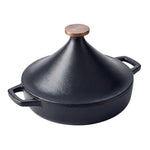
Enameled Cast Iron Tagine, 3-Qt
Enameled cast iron for slow, aromatic tagines and steady heat, without seasoning. Induction-ready and backed by a lifetime warranty.
Shop the Nori TagineHow to use it
The cone-shaped lid circulates steam back into the dish, so a little liquid goes a long way. Brown your aromatics and meat in the base, add liquid and spices, then cover and let it cook low and slow. For a full walkthrough, see how to use a cast iron tagine, then try our Moroccan lamb tagine recipe.
The Alva tagine
The Nori Enameled Cast Iron Tagine has no nonstick coating - so no PFAS or PTFE by design - see our safety standards. Explore the full cast iron range, and for searing and braising see our best cast iron skillet guide. Deciding what to buy? See our best tagine pot buyer's guide. Shopping for a gift? See our best cast iron cookware gifts guide.
See the Alva enameled cast iron tagine for sale - 3-qt, in stock →
Frequently asked questions
Do you need to season an enameled cast iron tagine?
No. The enamel is a fused glass surface, so there is nothing to season and nothing to rust. That is the main practical advantage over both bare cast iron and traditional clay — you can use it straight out of the box and wash it with soap.
Can an enameled cast iron tagine go on the stovetop?
Yes, and that is the point of the cast iron base. You can brown onions, spices and meat directly in the base over any heat source including induction, then add liquid and cover. A clay tagine usually needs a heat diffuser and cannot take direct high heat at all.
How much liquid does a tagine need?
Far less than a regular stew. The tall conical lid catches rising steam, condenses it and returns it to the dish, so the food self-bastes. Start with roughly half what a Dutch oven recipe calls for — you can always add more, but a watery tagine loses the concentrated flavour that makes the dish.
Is the enamel safe to cook on?
Yes. Enamel is inert, non-reactive and has no nonstick coating at all — so there is no PFAS or PTFE in it by design, and acidic ingredients like preserved lemon and tomato will not react with it. Retire any enamelled piece if the surface chips through to the iron.
How do you clean a cast iron tagine?
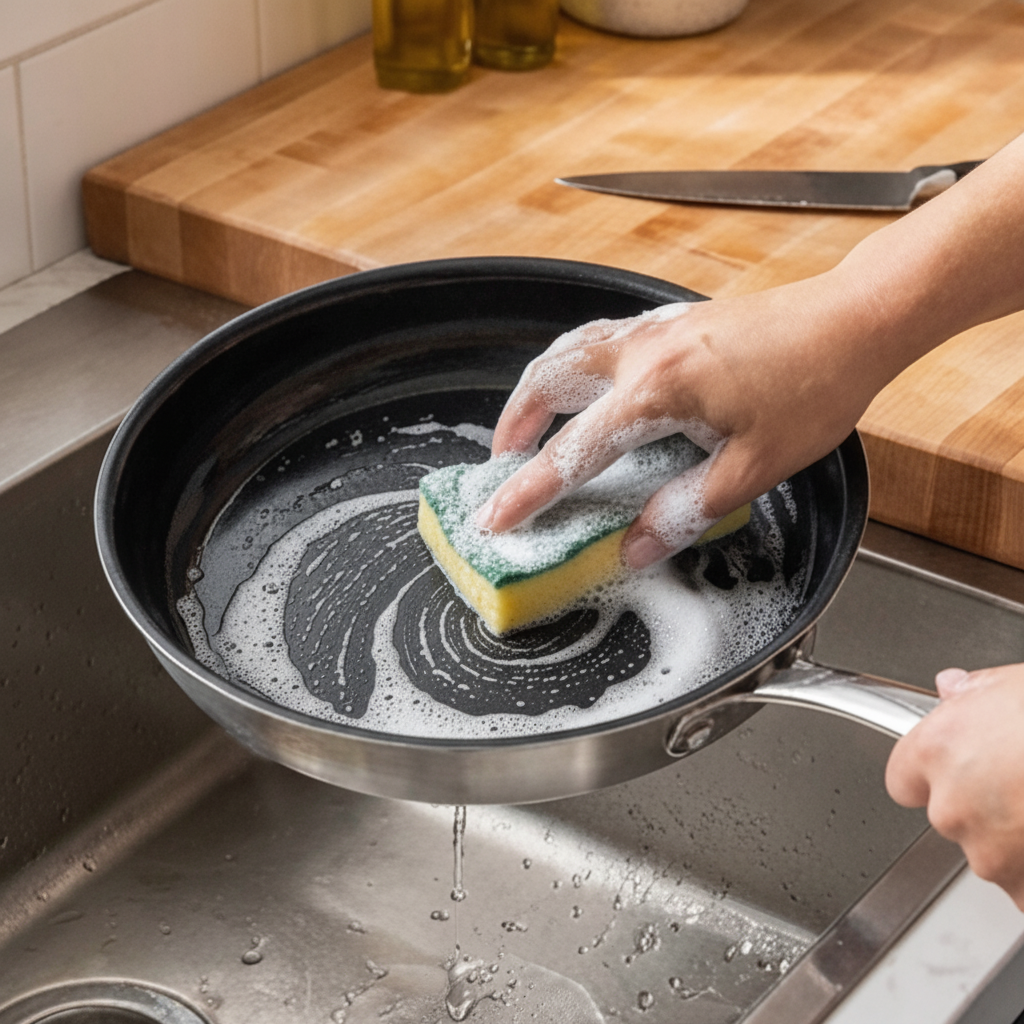
Let it cool, then wash by hand with warm water, mild soap and a soft sponge. Hand-washing is what we recommend for cast iron, enamelled or not. For stuck-on food, soak with warm water rather than reaching for an abrasive pad, which will dull the enamel over time.
Building out your cast iron?
The tagine is one piece of the Nori enameled cast iron range — Dutch ovens, skillets and braisers, all uncoated, all lifetime-warrantied. Free U.S. shipping over $99.
Shop enameled cast iron →Or start with the lamb tagine recipe



Leave a comment
This site is protected by hCaptcha and the hCaptcha Privacy Policy and Terms of Service apply.